About Technology News Contact

Bâtisseurs
du Cellulocène

Planet Earth is a giant cellulose factory — producing more than 15,000 kg per person every single year. Materials, food, fuel: nature has been building mostly with it for more than 400 million years. We believe it's time we learn to do the same.

Forest canopy seen from below — nature's cellulose factory

The challenge

Material transition 101

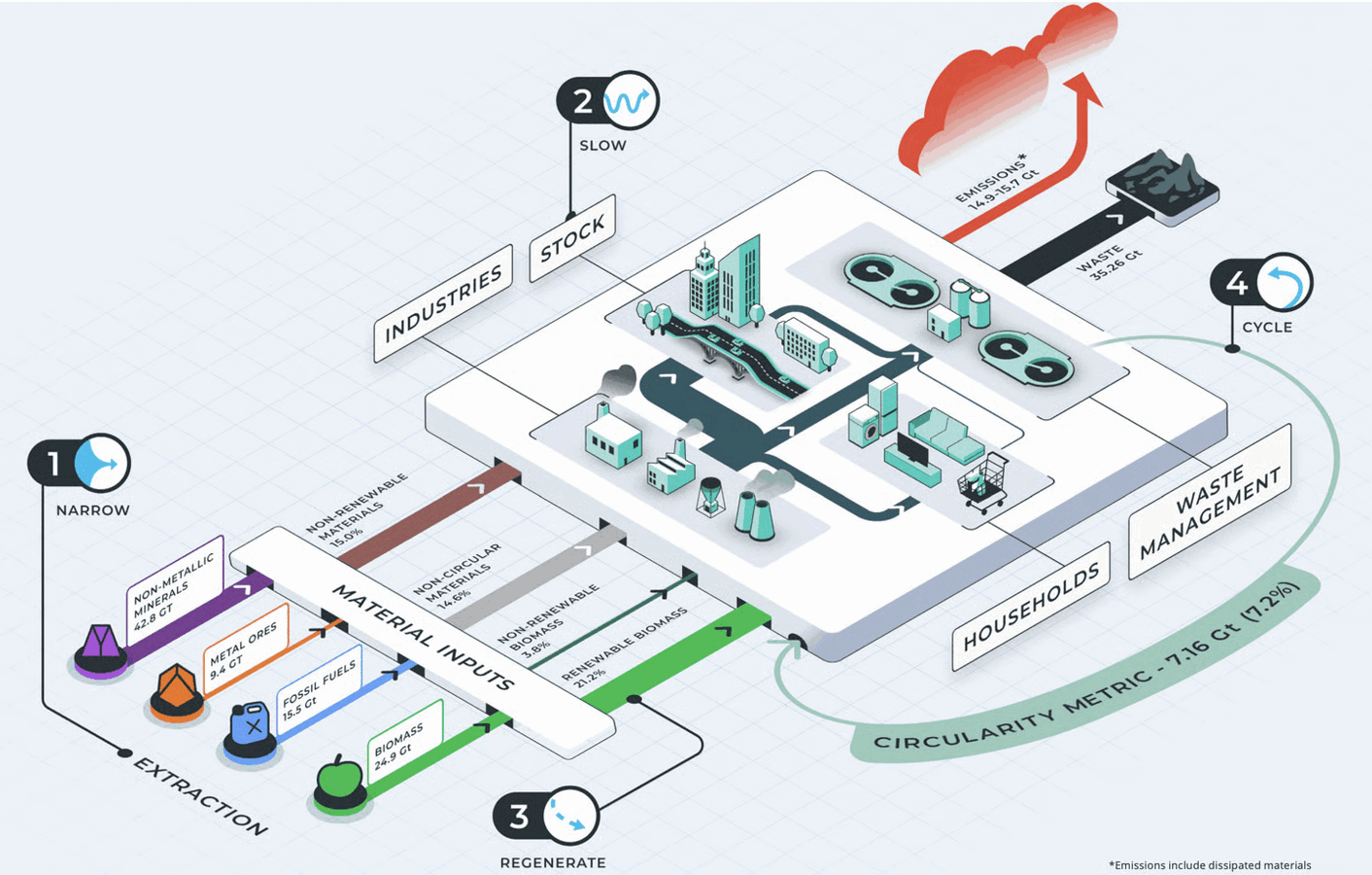
We extract and consume around 100 billion tonnes of material every year. That's 12,500 kg per capita. Less than 20% of these are renewable and circularity concerns only 7%. Depletion, pollution and climate change force us to find large-scale alternatives.

On the other hand, our planet produces more than 150 billion tonnes of cellulose every year. Cellulose is the most abundant organic compound on Earth — a fibre, a fuel and a food at the same time. We already know how to extract it, transform it and recycle it at a very large scale.

100 Gtextracted per year
< 20%renewable
7.2%circularity
150 Gtcellulose produced

The fundamental challenge in establishing cellulose as a universal feedstock is developing cost-effective processes that unlock the functional properties required for materials, food, and fuel. That's why we are here: to enable a large-scale transition towards the Cellulocene.

Check the Circularity Gap Report
Circularity Gap Report infographic — global material flows showing 7.2% circularity
Source: Circularity Gap Report

Our story

Thirty years
in the making

Lasting revolutions are never rushed.

Tout commence la veille de Noël 1996, lorsque le Dr Daniel Samain découvre un procédé de greffage moléculaire sans solvant qu'il nomme chromatogénie.

Au cours des deux décennies suivantes, il affine la science, démontre sa polyvalence sur différents substrats et tente de mettre le procédé à l'échelle industrielle. Malgré des progrès encourageants, l'aventure s'arrête.

En 2020, Cellulotech est constituée au Canada pour faire renaître cette technologie et la mettre à l'échelle. Grâce à un nouveau procédé, le temps de réaction est divisé par près de 40, et la qualité du greffage grandement améliorée. Des brevets sont déposés puis octroyés dans de nombreuses juridictions.

En 2024, Cellulotech ouvre une filiale R&D dédiée en France afin de construire un pilote industriel ainsi que de développer de nouveaux substrats et applications. Elle s'occupe également de la commercialisation en Europe.

En 2025, une levée de fonds avec pour investisseur principal le fonds Neglected Climate Opportunities de la Grantham Foundation accélère la mise à l'échelle industrielle et permet au groupe Cellulotech d'avoir tous les atouts en mains pour réaliser sa vision.

Our approach

Innovation
that lasts

Lasting change requires solutions that are affordable, scalable and proven — all at once.

Affordability No green premium. Competitive with what it replaces.
Scalability Big volumes. Simple processes. Built to last.
Performance Match or exceed the materials the industry depends on.

The team

Les apôtres
du cellulocène

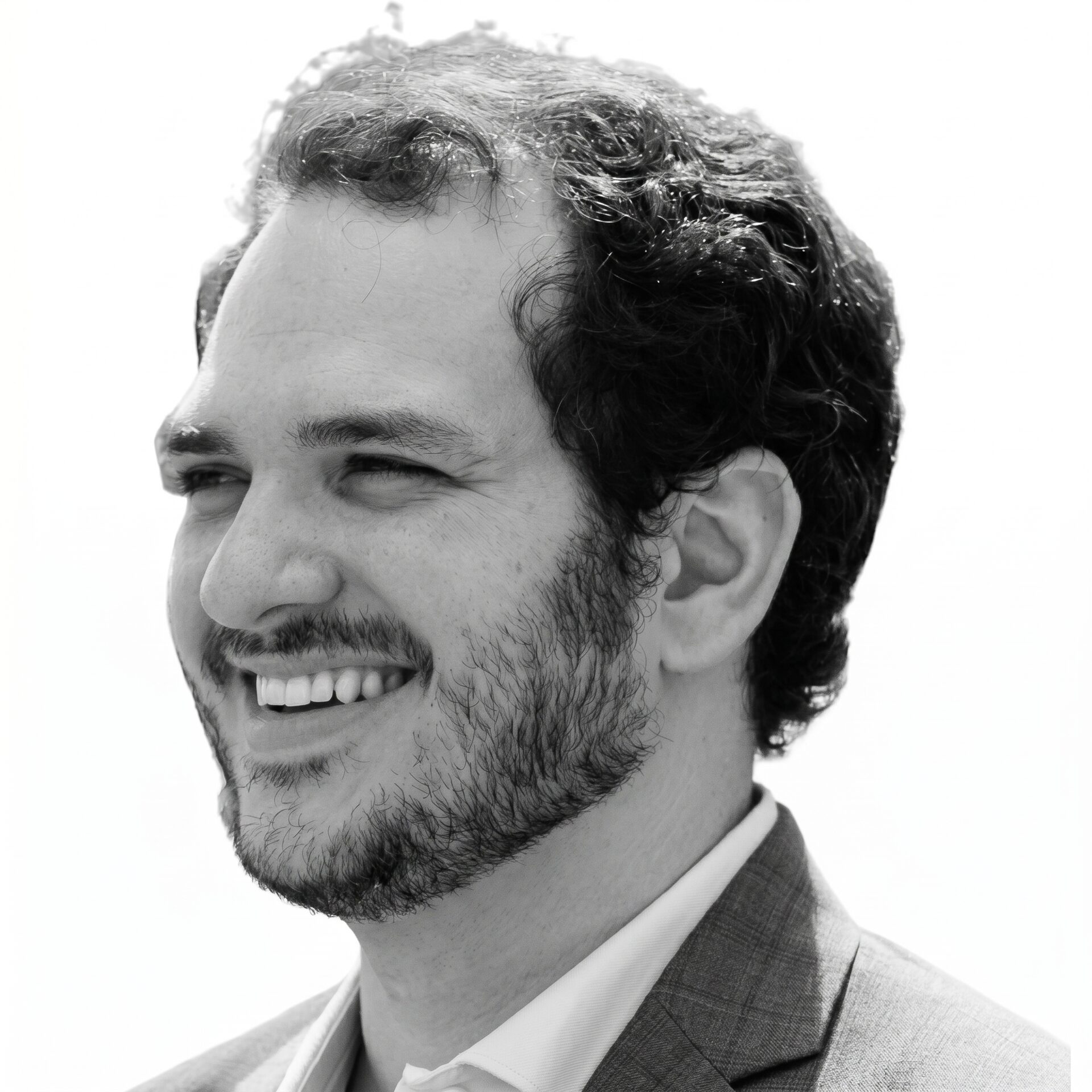
Romain Metivet

Romain Metivet, MSc

Co-founder & CEO
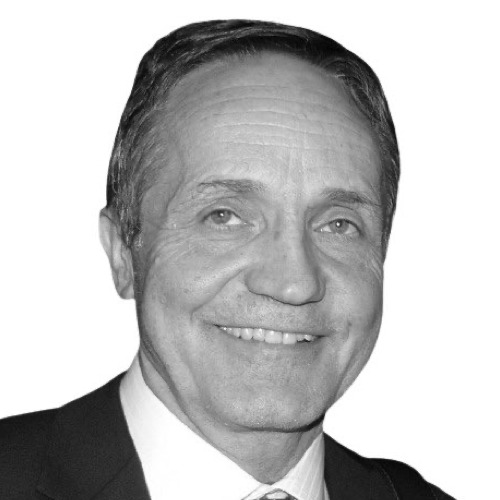
Daniel Samain

Daniel Samain, PhD

Co-founder & Scientific Director
Marco Gomes

Marco Gomes, PhD

Deputy Scientific Director
Guillaume Matecki

Guillaume Matecki, M.Eng

Head of R&D Engineering

Advisors

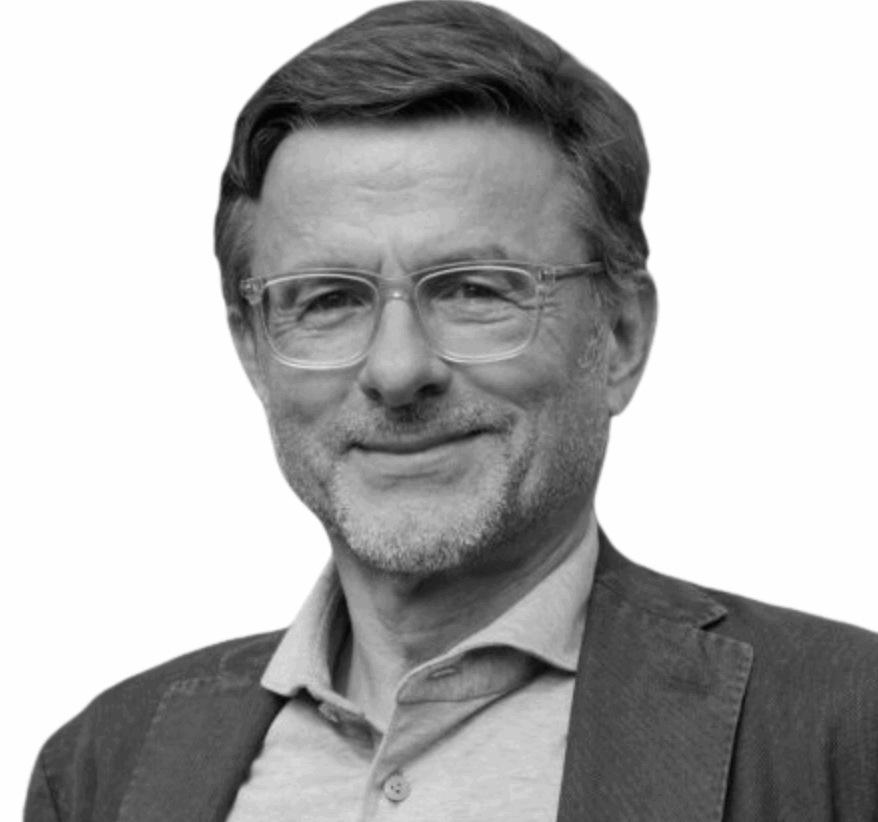
Hans-Peter Sollinger

Hans-Peter Sollinger, Ph.D Eng

Industrialization & Partnerships
Andrew Filler

Andrew Filler, JD

Intellectual Property
Jean-Michel Dossier

Jean-Michel Dossier

Business Development
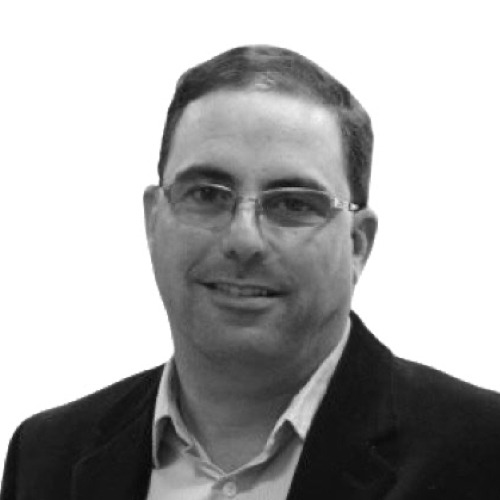
Robert Feeser

Robert Feeser, MSc, MBA

Packaging

Supporters & partners

Backed by the best in
cleantech & materials

We are proud to be supported by leading cleantech accelerators, institutions and investors who share our vision.

Investors

Partners, accelerators & programs

Plug and Play
Suzano Ventures
🏆

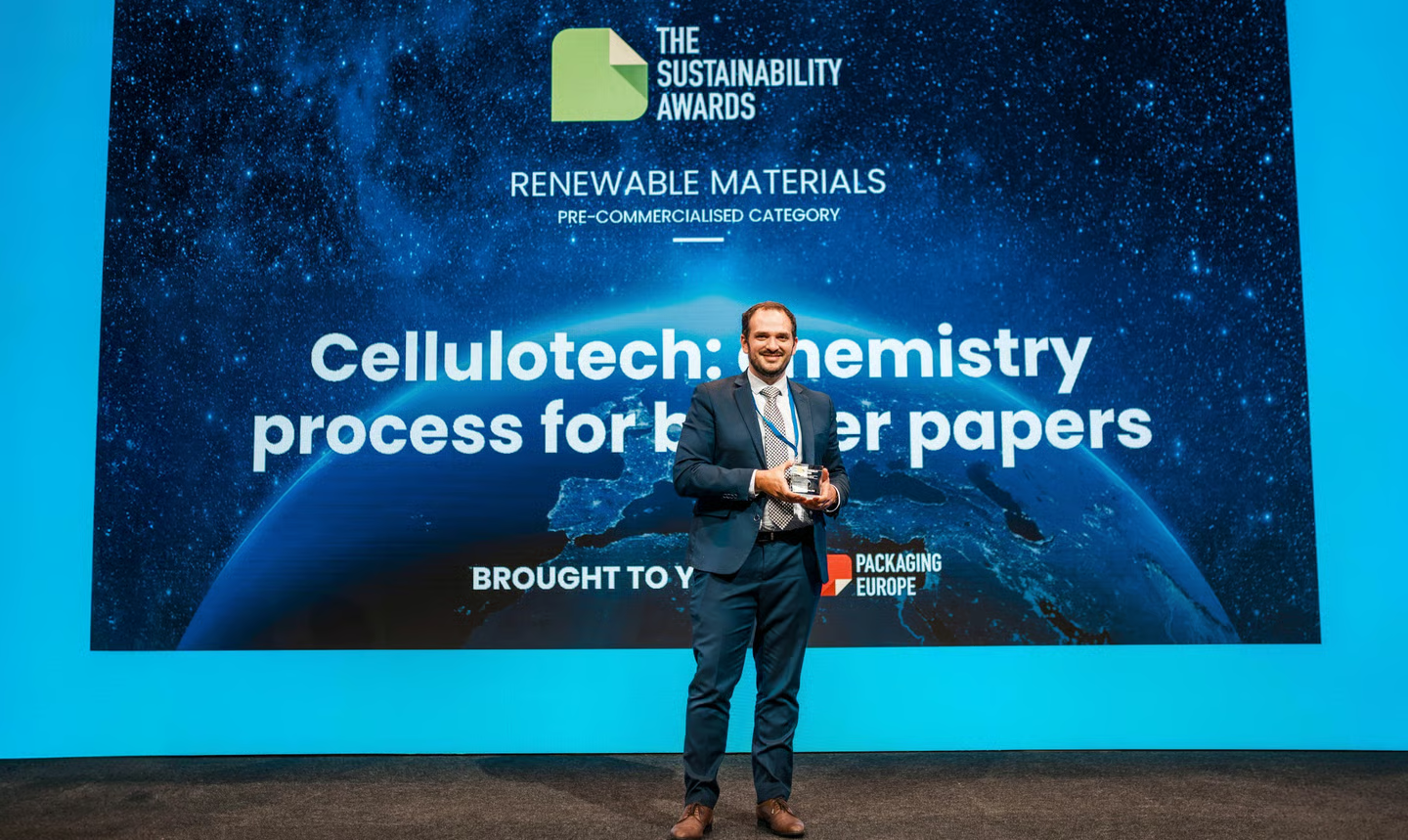
2023 Packaging Europe Sustainability Award

Pre-Commercialized Renewable Material category.

Packaging Europe Sustainability Award 2023
🏆

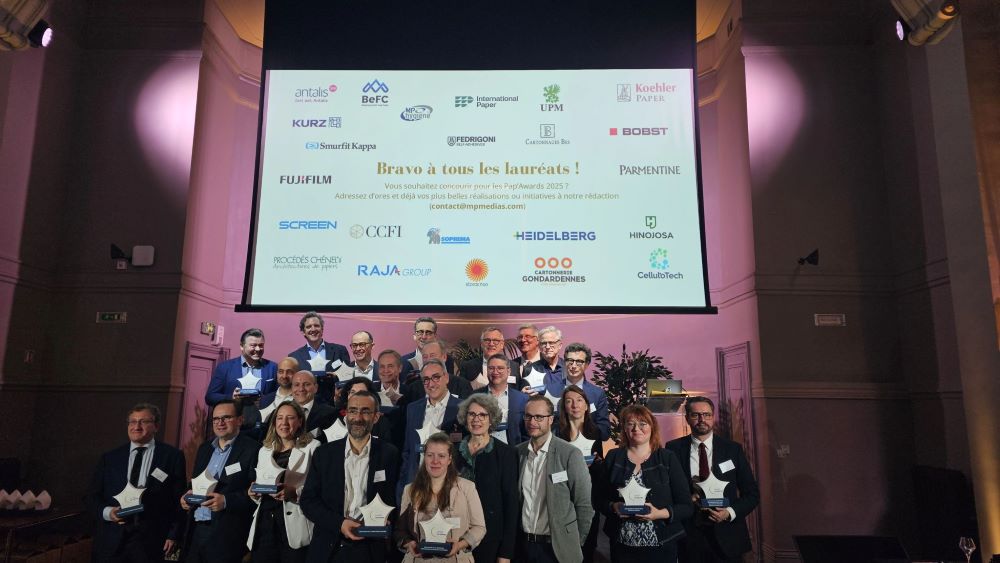
2024 Pap'Awards

Material Innovation category.

Pap'Awards 2024 ceremony